


By marking the securities’ current value, the brokerage firm could adequately evaluate whether or not the trader is meeting its margin account requirements. In the investing world, the process of evaluating the market value of securities on a daily basis is crucial. The formal process for marking an asset to market is defined by the Financial Accounting mark to market value Standards Board (FASB) where proper guidelines are published for companies to follow. For the company to assess the asset’s actual market value, it can do an MTM to record the asset’s current value (that may be $25,000 today).
- Readers likely agree that understanding complex financial terms can be challenging.
- This valuation method stands in contrast to historical cost, which records an asset at its original purchase price.
- By navigating these nuances, companies can better manage their financial risks and maintain compliance with regulatory standards.
- We will not treat recipients as customers by virtue of their receiving this report.
- The mark-to-market accounting treatment is primarily used in financial services and investments, where assets must be marked to market daily.
When did mark-to-market accounting begin?
It is also called fair value accounting because it determines the true value of assets and liabilities, which can fluctuate over time. Marketable securities, commodities, and accounts receivable (AR) are reported using this accounting method. Investors use MTM to ensure that their portfolios are valued at current market prices, which offers a more precise view of their total wealth and market exposure.
- To know its real worth, you have to ascertain its current value based on its prevailing price, which is known as mark to market.
- The Stack Wealth app will provide regular updates and reports on your portfolio’s performance.
- Mark-to-market accounting can increase market volatility by causing asset values to fluctuate with market prices, which can lead to rapid changes in reported financial positions.
- In India, the mark to market mechanism requires that profits are credited and losses are debited from a trader’s account every day from the moment he takes a position in the market.
- These include the securities and Exchange commission (SEC), which regulates public companies, and the commodity Futures Trading commission (CFTC), which regulates derivatives markets.
Q3 wrap-up: Top stock performers & 2 reasons for a bullish Q4
If the market price of the commodity increases, the value of the swap will correspondingly rise, benefiting the party receiving the fixed payments. By marking the swap to market, both parties can accurately assess the current value of their positions and make informed decisions about managing their exposure to market risks. Mark-to-market plays a crucial role in determining swap rates by reflecting changes in market conditions and adjusting payment obligations between counterparties. Understanding the impact of mark-to-market on swap rates is essential for participants in the derivatives market to effectively manage risk and optimize their financial strategies. According to proponents, one of FAS 115’s major benefits is that bank capital will now reflect interest rate risk as well as credit risk.
- Mark to market (MTM) is an accounting method whereby assets and liabilities are recorded at their current market value.
- The main purpose of MTM is to update asset values to current market rates rather than historical costs.
- The alternative method to MTM is historical cost accounting which values the assets based on their original cost.
- The Yield Curve Framework is used to maintain reference interest rates and enter their values.
- However, it is crucial to consider the suitability of mark-to-market for different types of swaps and be aware of alternative valuation methods when necessary.
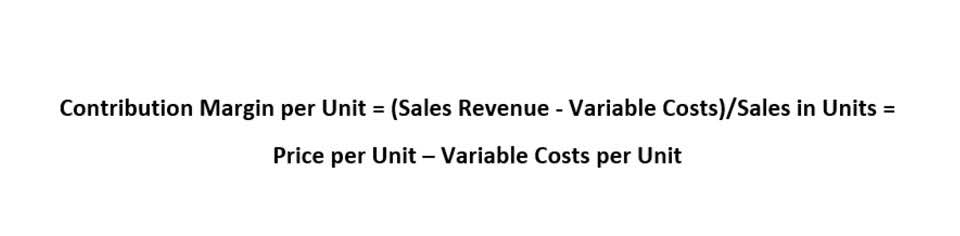
How is MTM calculated?

Following the Enron scandal, companies are now much warier Outsource Invoicing of agency issues and the misalignment of corporate objectives versus management incentives. What essentially occurred with the Enron scandal was that there was a high degree of information asymmetry between the management team and investors in the company. It likely occurred due to the personal incentives that the management team received. For example, many C-suite executives are compensated in company stock, as well as collect bonuses when the shares hit certain predetermined price levels. Highlight the transaction and click on Detail log to view the yield curves that have been used in the NPV calculation.
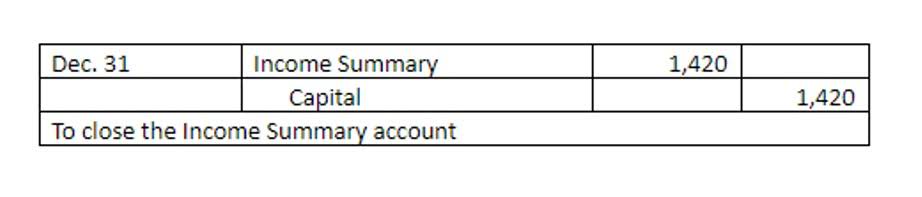
MTM in Futures and Derivatives Trading

When markets are highly volatile, the value of the underlying assets or indices can change rapidly, leading to larger mark-to-market adjustments. For example, during periods of economic uncertainty or geopolitical tensions, market volatility tends to increase, resulting in higher mark-to-market calculations. The mark-to-market process involves comparing the current market value of the swap contract to its initial value. The difference between these two values represents the unrealized gain or loss for each counterparty. This gain or loss is then factored into the swap rate calculation, adjusting the interest payments accordingly. While the objections are far-ranging, most have to do with feasibility and possible adverse petty cash effects on the banking industry.